
On the surface, social media feels like a harmless break in a busy workday, scroll through a few posts, like a photo, skim a headline. For cybercriminals, though, those same feeds are open doors into businesses. Scams and social engineering attacks that start on social media fuel some of the costliest attacks reported to the FBI’s Internet Crime Complaint Center, especially when criminals pivot from a personal profile to a company mailbox or shared platform.
For small and medium-sized businesses, it creates two challenges: protecting official company accounts and helping employees recognize and avoid tactics that turn a casual click into a business problem.
Why Social Media is a Business Risk
Social media is a favorite contact channel for scammers because it scales. The FTC’s recent roundup of Top Scams of 2024 notes that people reported losing money more often when the first contact happened on social media, with investment and impersonation scams leading the way. At the same time, business email compromise (BEC) continues to drive significant losses once criminals jump from social messaging to corporate inboxes and payment processes. IC3 reports more than $16B in overall cybercrime losses for 2024, with BEC remaining a persistent, high-dollar threat to organizations of every size.
Common Traps Employees See Every Day
Quizzes and oversharing. The tactics aren’t new, but they’re getting trickier. Those “fun facts about me” quizzes and nostalgia prompts collect answers that line up a little too neatly with common security questions. FTC guidance is blunt: scammers use quiz answers to reset accounts and steal financial data. If a quiz asks for your first pet, your high school, or your mother’s maiden name, it’s not entertainment; it’s data collection.
 Fake profiles and recruiter scams. Impostor accounts, especially those pretending to be recruiters, have proven to be a reliable method for building trust and delivering malware. Platforms like LinkedIn are responding by tightening recruiter/executive verification, but attackers adapt quickly, so employees still need to verify identities outside the platform before opening files or scheduling interviews.
Malicious links and brand impersonation. A constant and increasing threat, compromised or copycat accounts push links that look like news, updates, or urgent requests. CISA’s guidance on the increased risk of social engineering attacks reminds us that small bits of public information, such as titles, teams, and vendors, help attackers craft convincing messages that lead to credential theft or malware installs.
AI-powered impersonation and deepfakes. New entries into the arsenal of social media threats are voice cloning and synthetic video, which are used to mimic leaders and vendors. U.S. agencies (NSA, FBI, CISA) now publish specific deepfake guidance for organizations, with strong recommendations to slow down, verify identity on a second channel, and use MFA and secondary email addresses to harden account recovery.
Make Security Awareness the Easy Path
For employees, security awareness must be more than random warnings. It should feel like a simple playbook that can be followed without affecting productivity.
Start with the basics: treat social media links like email links. Pause, hover, or preview the destination, and verify outside the platform when something requests credentials, money, gift cards, or remote access. If a post or message creates a sense of urgency, immediately stop and confirm. Pair these habits with controls on the business side. CISA’s Social Media Account Protection guide lays out what organizations can do to protect official handles: unique passphrases stored in an approved password manager, phishing-resistant MFA (app or security key), role-based access, and rapid recovery steps when something goes wrong. Those same best practices also apply to third-party schedulers, marketing tools, and customer-support platforms linked to social accounts.
Security Awareness Must Come From the Top
Policies don’t protect anything by themselves; governance does, and that starts with leadership modeling the behavior. Owners and managers should be among the first to enroll in MFA for business accounts, use unique passphrases in an approved password manager, and complete security awareness training. When it’s mandatory for leaders, it becomes normal for everyone else.
In addition, back policies with processes by making Social media Account Protection part of the new hire checklist so new hires get password-manager access and MFA setup on day one. Role changes should trigger a review of who can post, DM, or view analytics. Exit checklists ensure same-day removal of tokens, logins, and API keys. And if a compromise happens, your incident response plan should include revoking sessions, changing passwords and tokens, posting a verified “we’re aware and addressing” update, and preserving logs for insurance and legal purposes.
Be Wary of Social Media Quizzes
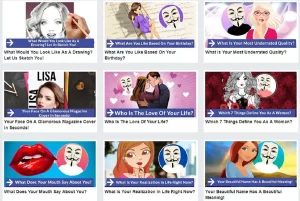 If your team only remembers one thing from this article, let it be this: do not take social media quizzes on work devices or while signed into work accounts. These quizzes are designed to gather personal details that help attackers reset passwords and impersonate you or your company.
If you want help turning policy into practice, we offer security awareness training to show employees how social engineering works in the real world, and our Cybersecurity Services can help put the right controls, including password managers, MFA, and account governance, behind your social media program. If you’re not sure where to get started with cybersecurity, give us a call at 301-456-6931 or send an email to [email protected] and see why Clark Computer Services is simply the Best Choice in IT Support Services.